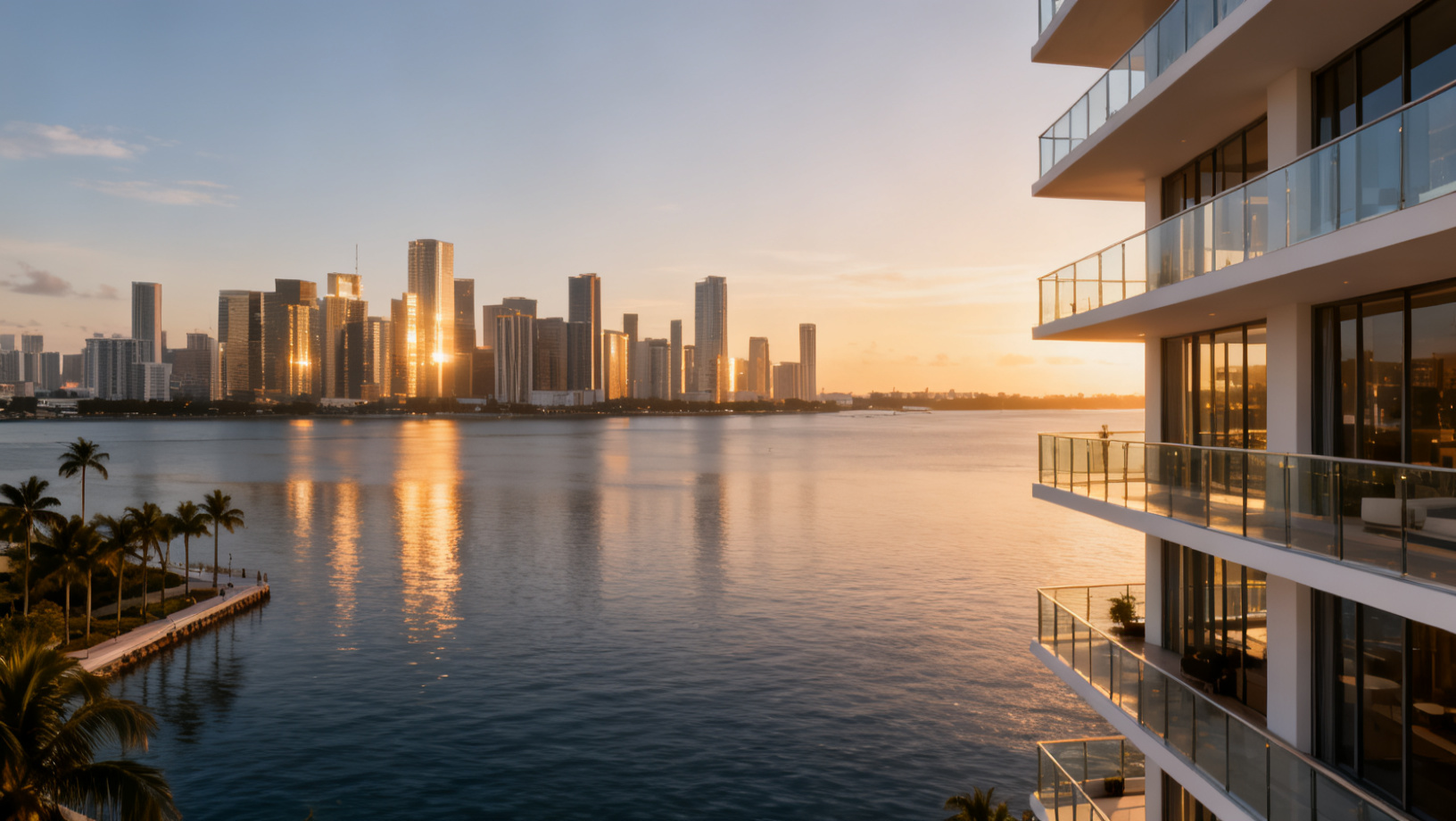
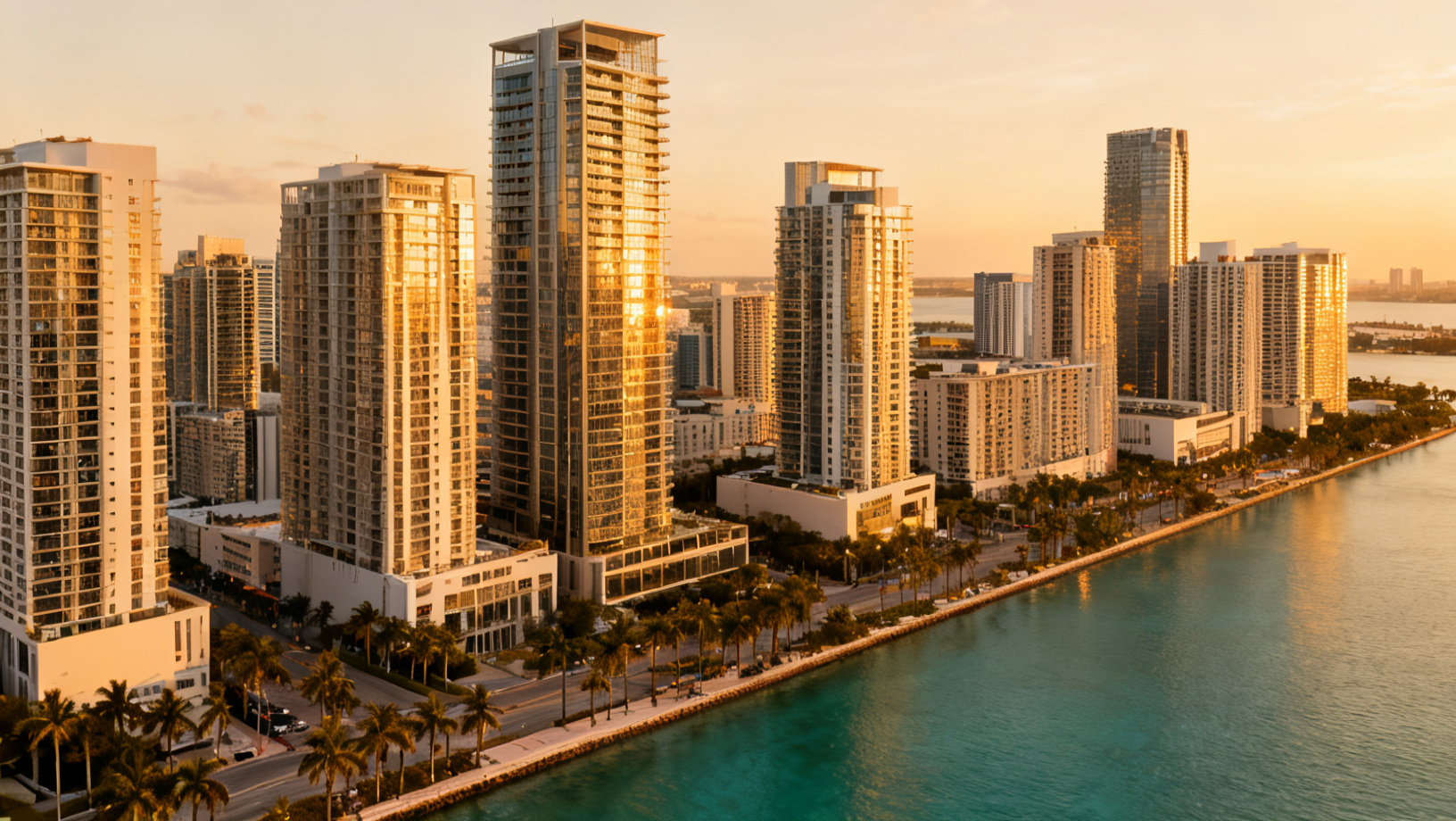
Miami real estate moves fast, but the right move is not always the fastest one. If you are buying or selling in Miami or Fort Lauderdale, your outcome depends on local pricing, timing, neighborhood fit and a strategy built for South Florida, not generic real estate advice.
Miami real estate is hyper-local
One of the biggest mistakes buyers and sellers make is treating Miami and Fort Lauderdale like one market. They are not. Even within the same city, pricing, insurance costs, condo rules, flood exposure and buyer demand can change block by block.
A waterfront condo in Brickell, a single-family home in Coral Gables, a modern property in Las Olas and a beach-area luxury listing in Fort Lauderdale attract different buyers and require different pricing and marketing.
- Buyers should compare commute, flood zone, HOA rules, parking, rental restrictions and reserve requirements before making an offer.
- Sellers should review true neighborhood competition, not just nearby active listings with unrealistic asking prices.
- Luxury homes need buyer targeting that goes beyond the MLS, especially when the likely buyer is relocating or purchasing a second home.
- Condo buyers need extra due diligence on assessments, reserves, association budgets and building condition.
What buyers should do before touring homes
Before you start booking showings, get clear on budget, financing and non-negotiables. In South Florida, monthly cost is often more important than purchase price alone because taxes, insurance, HOA dues and maintenance can shift your comfort level quickly.
Serious buyers get stronger results because they can move with confidence when the right property appears. That matters in competitive neighborhoods and especially with well-priced homes.
- Get fully underwritten or at least solidly pre-approved, not just pre-qualified.
- Set two budgets, your max approval and your comfortable monthly payment.
- Make a must-have list with five items or fewer, such as school zone, waterfront, walkability, yard space or home office.
- Review recent sold properties in your target neighborhood so you recognize value when you see it.
- Ask about age of roof, impact windows, insurance claims history and flood risk early, not after you fall in love with the home.
For condo buyers in Miami and Fort Lauderdale, ask for association documents as early as possible. Rental restrictions, special assessments and reserve issues can affect both your financing and your long-term flexibility.
What sellers need to fix before listing
Not every home needs a full renovation to sell well. But most homes do need clean presentation, smart repairs and a pricing plan based on what buyers in that area actually reward. The goal is not perfection. The goal is fewer objections and stronger offers.
In Miami and Fort Lauderdale, buyers pay close attention to condition because weather, moisture and maintenance matter. Deferred upkeep can cost you more in negotiations than it would cost to address before listing.
- Fix obvious issues first, such as paint touch-ups, broken fixtures, loose handles, damaged screens and stained grout.
- Address moisture concerns, AC service records and signs of roof wear if they exist.
- Improve curb appeal with landscaping, pressure washing and a clean entry.
- Declutter aggressively so rooms feel larger and brighter.
- For luxury homes, invest in staging, high-end photography, video and a polished property story.
The homes that sell fastest are usually the ones that feel easiest to buy. That means fewer distractions, cleaner maintenance signals and a listing presentation that matches the price point.
Pricing strategy for Miami and Fort Lauderdale sellers
Overpricing is expensive. It reduces urgency, limits showings and often leads to price cuts that make buyers wonder what is wrong. In contrast, pricing accurately from day one creates leverage and can improve both timeline and terms.
The right list price is built from recent sold homes, active competition, inventory levels, property condition and buyer behavior at that exact price band. This is especially important with waterfront properties, newer construction and luxury homes where the buyer pool is narrower.
- Look at sold listings first, then active and pending listings for context.
- Adjust for lot size, updates, view, floor level, dock access, pool, parking and building amenities.
- Price for the audience you want to attract, not just the number you hope to get.
- Reassess quickly if showings are low or feedback is consistent in the first two weeks.
- Use a launch plan with strong photos, video, digital exposure and agent outreach from day one.
A strong broker does not just put a number on the property. They defend that number with real local evidence and then market the home in a way that reaches the right buyer.
When luxury homes need a different approach
Luxury homes in Miami and Fort Lauderdale are marketed differently because the buyer journey is different. High-end buyers are not only comparing features. They are comparing lifestyle, privacy, prestige, finishes, location and resale potential.
That is why luxury marketing should feel curated, not mass-produced. Professional storytelling matters, but so does discretion, network access and a broker who knows how to position a property to local, national and international audiences.
- Use cinematic video, editorial-quality photography and a clear lifestyle angle.
- Highlight what is truly rare, such as water frontage, dockage, views, architecture, privacy or smart-home features.
- Prepare the home for in-person experience, including lighting, scent, temperature and flow.
- Target the right channels, which may include private outreach, relocation networks and luxury-specific platforms.
- Work with a broker who understands negotiation at the luxury level, where terms and timing can matter as much as price.
For distinctive properties, presentation is part of the value. Jessalyn Falcon brings both brokerage experience and on-camera storytelling expertise as the TV host of The American Dream, which can be a real advantage when a home needs standout positioning.
How to choose the right real estate broker
Whether you are buying your first home, moving across South Florida or listing a luxury property, your broker should bring more than access to listings. You need local judgment, sharp negotiation and a process that protects your time and your money.
- Ask how they price homes in your exact neighborhood, not just your city.
- Ask what issues buyers are raising right now in your property type and price range.
- Ask how they market beyond the MLS, especially for luxury homes.
- Ask how often they communicate and what support you can expect from first showing to closing.
- Choose someone with experience, integrity and a clear strategy, not just a sales pitch.
With more than 20 years serving Miami and Fort Lauderdale, Jessalyn Falcon of Falcon Empire Realty has worked across changing markets, property types and client goals. That kind of experience helps buyers avoid costly missteps and helps sellers position their homes for stronger results.
Frequently asked questions
Is Miami or Fort Lauderdale better for buyers right now?
It depends on your budget, lifestyle and property type. Miami offers more urban density and global demand, while Fort Lauderdale often appeals to buyers focused on boating, beach access and a slightly different pace.
Should I buy first or sell first?
That depends on your equity, financing and risk tolerance. A local broker can map out both scenarios so you know your timing, cash flow and contingency options before you commit.
Do luxury homes take longer to sell?
Often, yes, because the buyer pool is smaller. But the right pricing, presentation and targeted exposure can dramatically improve the process.
Ready to make your next move?
If you are buying or selling in Miami or Fort Lauderdale, Jessalyn Falcon can help you build a strategy that fits your property, your timing and your goals. Reach out to Falcon Empire Realty for clear guidance, strong negotiation and a plan built to get results.